


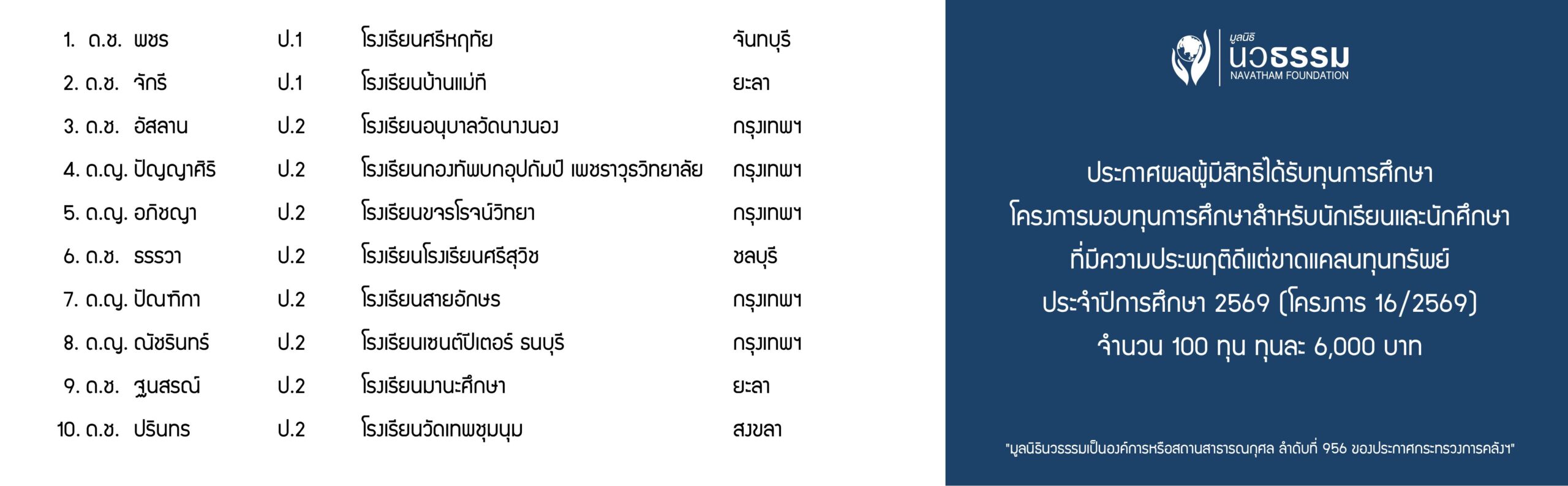
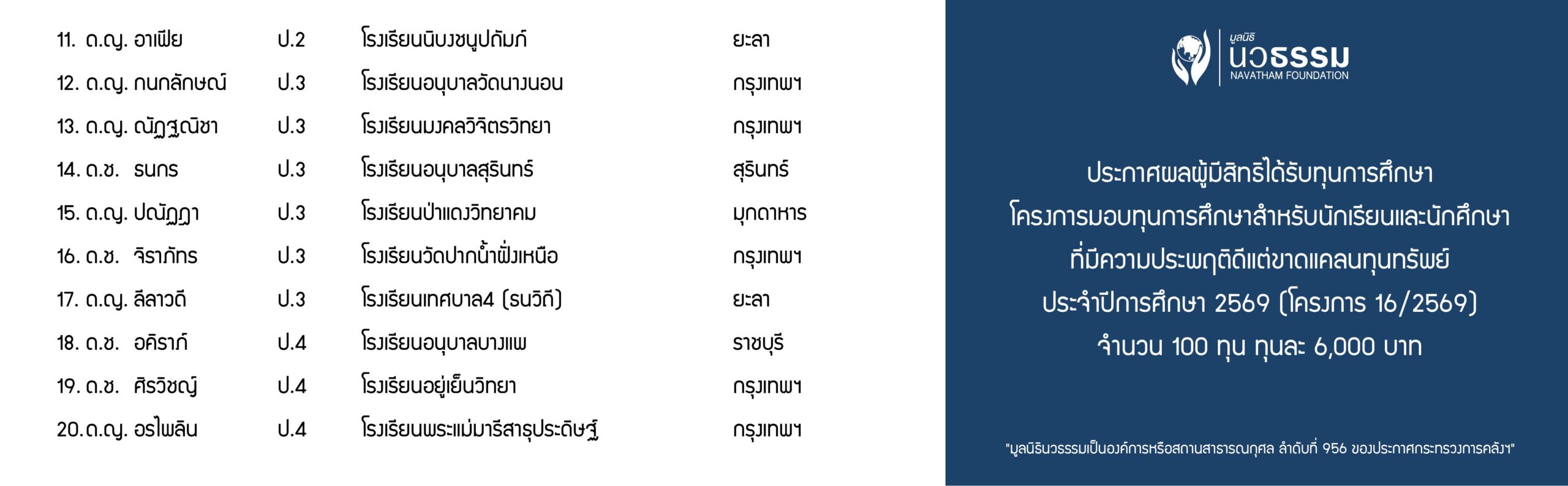
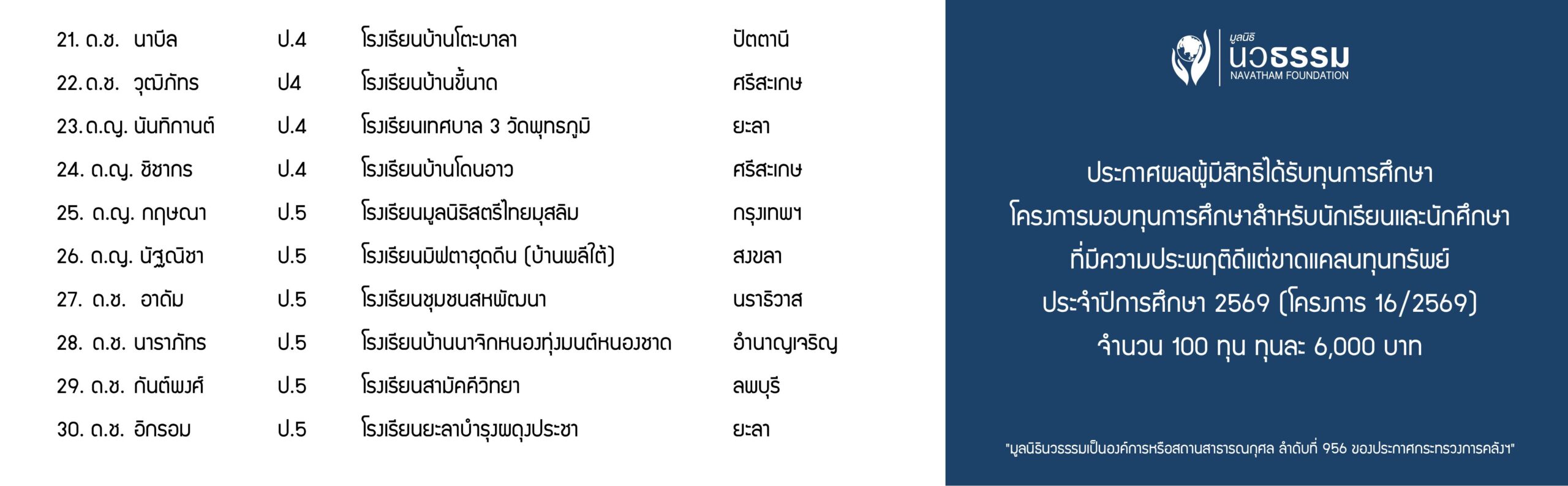
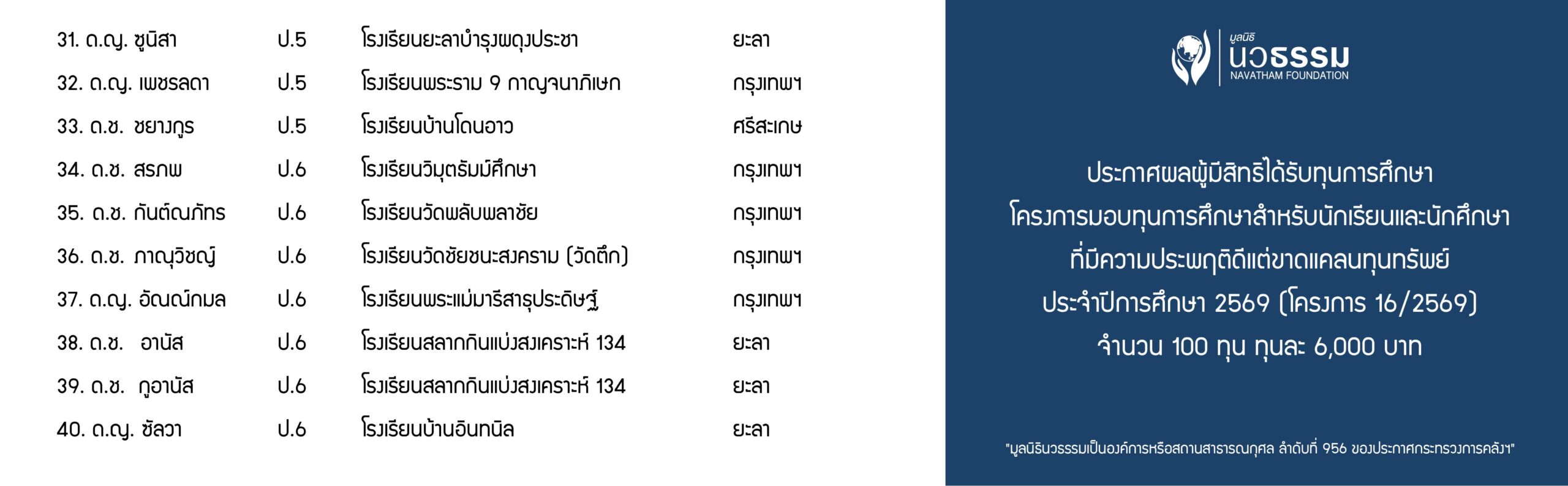
 มูลนิธินวธรรม ชั้น 25-27 อาคารสาธรนคร







Exploring the Core Mechanics of Table Classics
The Best Casino Games for Big Wins and Nonstop Thrills

Have you ever felt the pull of a game where chance and strategy meet? Casino games are designed to offer a thrilling escape, letting you test your luck against the house or other players using cards, dice, or spinning wheels. To use them, you simply choose a game, place a wager, and learn the specific rules to guide your decisions. The real benefit is the pure, focused excitement of each unpredictable round, where every outcome brings a fresh surge of anticipation.
Exploring the Core Mechanics of Table Classics
Exploring the core mechanics of table classics reveals how random outcome generators intersect with strategic player decisions. In blackjack, the clash between basic strategy charts and dealer probability creates a dynamic tension, where each hit or stand shifts the house edge. Craps mechanics pivot on the pass line bet’s low house advantage, but the thrill comes from tracking dice outcomes and choosing free odds bets that eliminate the house edge entirely. Roulette’s mechanics hinge on the subtle physics of wheel bias versus true randomness, a nuance most players ignore. Baccarat simplifies to banker versus player bets, yet its core is recognizing that commission on banker wins is the only mechanic preventing a pure coin flip. These systems reward observation, not luck.
How the Dealer’s Hidden Card Alters Blackjack Strategy
The dealer’s hidden card is the pivotal unknown that forces strategic deviation in blackjack. Without it, basic strategy becomes guesswork. The visible upcard gives a range of possibilities, but players must calculate risk based solely on that single exposed value. A dealer showing a 5 or 6 is statistically weak, justifying aggressive doubling or splitting, while a 7 or higher suggests a likely strong hand, requiring conservative play. This dynamic demands adjusting hit-or-stand decisions, as the hidden card defines true dealer strength. The core sequence is:
- Assess the dealer’s upcard to gauge probable hidden card value.
- Compare your total against the worst-case scenario of a 10-value hidden card.
- Stand on stiff hands (12-16) only against weak upcards, but hit against strong ones.
- Double down only when the dealer’s upcard signals a high chance of busting.
Roulette Betting Systems: Inside Versus Outside Wagers
Inside versus outside wagers define the risk-reward spectrum in roulette. Inside bets (straight, split, street) target specific numbers, offering payouts up to 35:1 but with low hit probability. Outside bets (red/black, odd/even, high/low) cover nearly half the wheel, trading high odds for near-50% win rates. A savvy system blends both, using outside bets for steady bankroll padding while reserving inside wagers for high-risk spikes. This hybrid approach mitigates volatility without sacrificing the thrill of a big win.
Inside bets maximize payouts but minimize frequency; outside bets maximize frequency but minimize payouts. Effective betting systems balance these extremes to sustain play and manage risk.
Baccarat’s Player, Banker, and Tie: Understanding House Edge
In Baccarat, the house edge on the Banker bet is the lowest at roughly 1.06%, making it the most favorable wager due to the 5% commission. The Player bet carries a slightly higher edge of 1.24%, while the Tie bet is a statistical trap with a house edge exceeding 14%. Players often overlook that the Banker’s statistical advantage is consistent across most baccarat variants, despite the commission.
- The Banker bet wins more often (45.86% of hands) but pays 0.95-to-1 after commission.
- The Player bet wins 44.62% of hands and pays 1-to-1.
- The Tie bet pays 8-to-1 or 9-to-1, yet its true odds are roughly 9.5-to-1, creating the high edge.
Digital Slots: Evolution from Mechanical Reels to Video Threads
Digital slots have transformed from clunky mechanical reels with fixed stops into fluid video threads driven by software. Instead of physical spinning drums, video slots use Random Number Generators to determine each spin’s outcome instantly. This shift allowed developers to replace simple fruit symbols with intricate animated storylines, cascading reels, and multiple payline clusters. A key result is that you now get
more betting flexibility and immersive bonus rounds, but the core randomness remains unchanged from the original one-armed bandits.
Modern titles often feature “ways to win” mechanics where matching symbols in adjacent reels pay out, rather than being limited to fixed lines. Video threads also enable features like respins and progressive multipliers, giving you control over risk per spin while keeping the classic slot thrill of unpredictable spin results.
Megaways Mechanics: Why Dynamic Paylines Attract Spinners
Megaways mechanics ditch fixed paylines for a dynamic system where each reel displays a random number of symbols per spin. This means the number of ways to win can skyrocket to over 100,000, making every spin feel unpredictable and fresh. The core allure is the constantly shifting win potential, which keeps spinners engaged because they never know when a massive cascade of matching symbols will land across the multiplied rows. It turns each spin into a mini-event rather than a static payout check.
- Winning combinations form on adjacent reels from left to right, regardless of symbol position, so any random layout can create a payout.
- The cascading reels feature removes winning symbols and lets new ones fall in, potentially triggering multiple wins from a single spin.
- Each reel’s symbol count changes per spin, creating wildly different pathways to win and combating monotony.
Progressive Jackpots: Linking Bets Across Networks
In a progressive jackpot, a small slice of every bet across a linked network of slots feeds a single, growing prize. This means your spin isn’t just playing your machine; it’s chipping in with thousands of other players to build a life-changing, multi-million-dollar payout. Network-linked jackpots are the secret sauce, turning a simple game into a shared lottery. When you see a massive jackpot displayed on a screen, that’s the collective contribution of everyone playing that linked network. You can win the base game’s regular prize, but the real thrill is knowing any random spin could trigger that huge, pooled payout.
| Standalone Jackpot | Progressive (Network) Jackpot |
| Prize resets at a low fixed amount | Prize grows continuously from many players |
| Only your single machine contributes | Hundreds or thousands of machines contribute |
| Smaller, more frequent wins | Massive, rare, life-altering wins |
Bonus Rounds and Free Spins: Triggering the Most Lucrative Features
Bonus rounds and free spins represent the peak of a digital slot’s potential, often triggered by landing specific scatter symbols across the reels. Once activated, free spins typically award a set number of turns without deducting from your balance, frequently boosted by multipliers or expanding wilds. Bonus rounds, conversely, shift the gameplay into a separate mini-game, such as pick-and-win challenges or wheel-spin mechanics, where hidden prizes accumulate. To maximize these features, focus on slots with a high frequency of scatter hits and retrigger potential, as consecutive free spin cycles can compound your winnings.
| Feature | Trigger Method | Primary Benefit |
|---|---|---|
| Free Spins | 3+ scatters on reels | Zero-cost spins with multipliers |
| Bonus Rounds | Special bonus symbols | Guaranteed prize pools |
Skill-Based Games That Blend Chance with Decision-Making
Skill-based games in casinos merge random outcomes with player choices, distinguishing them from pure luck games like slots. In video poker, your decision to hold or discard cards directly affects the house edge, yet the shuffled deck introduces chance. Blackjack requires strategic betting and hit/stand choices, but the unseen dealer cards inject uncertainty. A short Q&A: Q: Does skill negate house advantage in these casino games? A: No; chance still determines final card distributions, so skill only reduces—not eliminates—the statistical edge. Titles like craps also blend decision-making on bets with dice randomness, rewarding knowledge of probability while never removing the element of luck.
Video Poker Variants: Pay Tables and Optimal Hold Strategies
Video poker variants like Jacks or Better, Deuces Wild, and Bonus Poker each feature distinct pay tables that directly determine the house edge. A “9/6 Jacks or Better” pay table (9:1 for a full house, 6:1 for a flush) offers near 99.54% return with perfect play, while an 8/5 version drops sharply. Optimal hold strategies vary per variant; for Deuces Wild, holding deuces often overrides a low pair, whereas in Bonus Poker, four-of-a-kind payouts influence whether to break a full house. Mastering these specific decision trees transforms each hand into a tactical puzzle. Below, a comparison of key pay table components:

| Variant | Key Pay Table Feature | Optimal Hold Decision Example |
|---|---|---|
| Jacks or Better | Full House/Flush ratio | Hold high pair over open-ended straight draw |
| Deuces Wild | Wild card penalty for partial pays | Always hold deuces, even over a natural flush |
| Bonus Poker | Higher quad payouts (e.g., aces) | Break dealt full house if aces are part of three of a kind |
Live Dealer Tables: Streaming Real-Time Interaction
Live Dealer Tables bring the brick-and-mortar casino floor straight to your screen, letting you stream real-time interaction with a human croupier. You watch the cards shuffle or the roulette wheel spin via HD video, then tap your decision—hit, stand, or bet—while chatting with the dealer. This setup blends luck with your choices, as you decide when to split pairs in blackjack or which numbers to cover in roulette. The key edge? real-time interaction eliminates RNG skepticism, since you see every action live. Your skill in reading the game and timing bets still matters, but the outcome hinges on physical cards or a real wheel spin.
Poker Rooms: Texas Hold’em Versus Omaha in Virtual Settings
In virtual poker rooms, Texas Hold’em emphasizes post-flop decision-making with two hole cards, while Omaha’s four hole cards dramatically increase hand combinations, demanding sharper reading of opponent ranges. Strategic differences in starting hand selection separate the games: Hold’em rewards patience with premium pairs, whereas Omaha requires drawing potential in coordinatated boards. The dual-card showdown in Omaha often creates more split pots, altering risk assessment for players accustomed to Hold’em’s simpler equity calculations. Virtual multi-tabling exacerbates these distinctions, as Omaha’s higher variance can quickly compound positional errors. Both formats rely on bluff efficiency and pot odds, but their distinct card distribution mechanics fundamentally shift optimal betting patterns in digital play.
Random Number Generators and Their Influence on Fairness
In casino games, a Random Number Generator (RNG) is the core algorithm ensuring every spin or card draw is statistically unpredictable. This influence on fairness is absolute: the RNG prevents any pattern or bias, making each outcome independent of previous results. For players, a certified RNG means the house edge is mathematically calculated and unalterable, guaranteeing that short-term luck, not manipulation, determines wins and losses. Without this cryptographic randomness, games like slots or roulette could be exploited, destroying the trust required for fair play. Modern RNGs use complex seed values to produce sequences that pass rigorous statistical tests for randomness.
Certifying RNG Integrity: Third-Party Audits Explained
Third-party audits certify RNG integrity by subjecting casino game algorithms to independent statistical analysis, specifically testing for provable randomness verification. Auditors like eCOGRA or iTech Labs run millions of test cycles against the RNG output, comparing observed sequences against expected mathematical distributions. They examine pattern repetition, chi-square tests, and serial correlation to confirm no predictable bias exists. A passing audit results in a certificate confirming the RNG produces statistically random, non-manipulable outcomes. For players, this means the game’s fairness is validated by an external authority, not the casino itself, ensuring that every spin or deal remains genuinely unpredictable.
Volatility: Understanding Low, Medium, and High Variance Spins
Volatility, or variance, tells you how a slot’s variance spin patterns actually behave. Low variance spins deliver tiny wins very often, keeping your balance steady but rarely hitting big. Medium variance mixes things up—you’ll see moderate payouts at a decent clip with the occasional spike. High variance spins are the wild ride: long dry stretches followed by massive jackpots.
- Start with low variance if you want to play longer without draining your bankroll too fast.
- Move to medium when you’re okay with some risk for slightly bigger rewards.
- Pick high variance only if you have the budget to survive the cold streaks and chase life-changing wins.
Betting Options That Extend Beyond Traditional Tables
Beyond the felt of traditional tables, betting options extend into intricate side wagers and player-versus-bank propositions. In games like baccarat, you can place a “Dragon Bonus” bet predicting a win margin of four or more points, shifting payout dynamics. Craps offers “hardway” bets on doubles (e.g., 4-4) hitting before a 7, providing higher odds than a standard center bet. For blackjack, “Perfect Pairs” and “21+3” side bets allow you to wager on specific card combinations or poker-style hands derived from your initial two cards and the dealer’s upcard. These options interact with the core game’s probabilities, altering your risk exposure across a single round.
A key insight: side bets often carry a significantly higher house edge than the main game, so treat them as high-variance fliers, not volume plays.
Your primary betting strategy should prioritize the table’s base decision, using extensions only for deliberate, small-stakes variance.
Craps: Navigating the Pass Line and Come Bets
Navigating Craps pass line and come bets extends your strategy beyond static table games. On the come-out roll, a pass line win pays 1:1, but backing it with odds eliminates the house edge entirely. Once a point is established, a come bet works like a fresh pass line, giving you active numbers across multiple rolls. You can take odds on come bets after they move to a point, mirroring the pass line’s best-value play. This layered approach turns every roll into a potential payout, keeping the action fluid and your bankroll engaged.
| Bet | When It Wins | Odds Allowed |
|---|---|---|
| Pass Line | 7 or 11 on come-out | Yes (full odds) |
| Come Bet | 7 or 11 on its own roll | Yes (after point) |
Sic Bo and Keno: Dice and Number Selection Games
Sic Bo and Keno: Dice and Number Selection Games diverge from table classics by relying on random number generation rather than card strategy. In Sic Bo, three dice tumble in a cage; players bet on specific totals, combinations, or triple outcomes, with payouts scaling inversely to probability—a single triple pays 180:1, while small/big bets cover ranges 4-10 or 11-17. Keno instead uses a 80-number grid; you select up to 20 spots, then 20 balls are drawn. Catching all picks yields enormous odds (e.g., 1 in 3.5 million for a 20-spot hit), but volatile pay tables mean frequent near-misses. Both games offer rapid, self-contained rounds, with Sic Bo favoring short-term volatility and Keno rewarding low-stakes long-shot hopes. A comparison of key mechanics:
| Aspect | Sic Bo | Keno |
| Core Mechanism | Three dice outcomes | 20 drawn numbers from 80 |
| Player Control | Bet on dice totals or combos | Select 1–20 numbers per ticket |
| Typical House Edge | 2.8–33% (varies by bet) | 20–35% (depends on pay table) |
| Payout Structure | Fixed odds on each bet type | Variable, based on catches |

Specialty Games: Scratch Cards and Virtual Sports Simulators

Specialty games like scratch cards and virtual sports simulators offer instant outcomes bypassing traditional table rules. Digital scratch cards reveal hidden symbols with a click, settling bets immediately based on match criteria. Virtual sports simulators use random number generators to simulate full races or matches, allowing you to wager on pre-set odds and watch simulated play conclude within minutes. Both formats remove the need for strategy or dealer interaction, focusing purely on chance and speed.
- Scratch cards offer fixed prize tiers displayed before purchase, with payouts determined by symbol alignment.
- Virtual sports simulators present scheduled events with adjustable wager amounts and real-time animation.
- Both specialties reset instantly after each round, enabling rapid consecutive plays.
Bankroll Management Techniques for Prolonged Play
Maria split her bankroll into session stacks, ensuring each loss cap preserved enough for tomorrow’s play. She never chased at blackjack; instead she lowered her bet unit after a losing shoe. Her secret was a fixed win goal: step away once up 30% to avoid giving back gains. Keep your bets proportional to your stack—betting 1–2% per hand lets you survive swings. She asked herself mid-game, “How much of today’s bankroll have I risked on this one spin?” The answer kept her from emotional bets. By capping each loss at 20% of her day’s funds, Maria turned a volatile session into a manageable stride.
Setting Loss Limits and Win Goals Before You Begin
Before engaging with any casino game, define hard loss limits and win goals as non-negotiable edges. A loss limit is the absolute ceiling of funds you will risk in a session; when reached, play stops immediately, preventing catastrophic depletion. A win goal is your target profit at which you lock gains and walk away. This pre-commitment removes emotional decision-making mid-session. For example, if your bankroll is $500, a 20% loss limit ($100) and a 40% win goal ($200) creates a structured boundary. Adhering to both ensures you neither chase losses nor let winning streaks turn into losses through overextension.
Bet Sizing Strategies: Flat Betting Versus Progressive Systems
Flat betting keeps your wager identical per round, preserving your bankroll through inevitable losing streaks. Progressive systems like the Martingale double after losses for a single-win recovery—but risk rapid depletion. Flat betting sustains play longer under variance, while progressives accelerate risk for limited upside. For steady session length, flat betting offers reliability; progressives demand larger bankrolls for their theoretical edge.
| Aspect | Flat Betting | Progressive Systems |
|---|---|---|
| Risk Control | Steady, low variance | High volatility, quick losses |
| Bankroll Impact | Predictable erosion | Possible rapid depletion |
| Best Use | Prolonged, casual play | Short, high-risk sessions |
Cultural and Regional Nuances in Game Preferences
When it comes to casino games, cultural and regional nuances strongly dictate what feels familiar and fun. In Asia, players often gravitate towards fast-paced games like Sic Bo or Baccarat, drawn to simple rules and high-energy rounds. European gamblers tend to prefer strategic games like European Roulette, where the single zero reduces the house edge, while in the U.S., the double-zero wheel of American Roulette remains standard despite its higher odds against players. Slot preferences also vary dramatically: Japanese players love pachinko-style machines and anime-themed reels, whereas Middle Eastern audiences, where gambling is less common in land-based settings, might engage more with live dealer versions of classic table games because they mimic social interaction without violating local norms. These local habits shape everything from game design to betting etiquette.
Asian Markets: The Dominance of Baccarat and Dragon Tiger
In Asian markets, Baccarat and Dragon Tiger dominance stems from their fast-paced, low-complexity gameplay, which prioritizes luck over strategy. Players gravitate toward Baccarat for its simple banker/player/tie bets, often using pattern tracking (roadmaps) to inform decisions, while Dragon Tiger offers an even quicker, single-card comparison. Both games typically exclude the tie bet in many live-dealer settings, reducing the house edge and aligning with cultural preferences for decisive outcomes over analytical skill. This reliance on pure chance, combined with rapid rounds, directly satisfies the region’s demand for high-frequency, minimal-rule action.

European Favorites: The Appeal of French Roulette
French Roulette distinguishes itself from European and American variants through unique rules that directly lower the house edge. The central appeal is the “La Partage” rule, which returns half the bet on even-money wagers when the ball lands on zero. This reduced house edge often rivals the lowest in any table game. Key gameplay differences include:
- The table layout uses French terms like “Passe” and “Manque” instead of English.
- Only the croupier handles chips, preventing player stacking.
- En Prison allows bets to remain for the next spin if zero hits.
These mechanics create a slower, more strategic pace favored by experienced players valuing odds over speed.
Mobile Optimization and User Interface Trends
For casino games, mobile-first responsive design now means thumb-friendly controls are standard, with spin buttons and bet adjusters placed within easy reach on smaller screens. Interface trends focus on gesture-based navigation, letting you swipe to spin reels or tap to hold cards, reducing on-screen clutter. Dark mode themes with high-contrast icons cut glare during night play, while haptic feedback gives a subtle buzz on winning hits. Live dealer games now tile full-screen video feeds with floating casinos not on gamstop bet slips that don’t block the action. Portrait mode is prioritized over landscape for one-handed play, and auto-rotate is locked to prevent mid-game orientation flips.
Touchscreen Gestures: Swiping to Spin or Place Bets
Swiping to spin or place bets transforms mobile casino games into tactile, intuitive experiences. This gesture eliminates cluttered on-screen buttons, allowing players to flick reels with a finger or slide a chip across the felt to adjust wagers. Unlike tapping, which can feel mechanical, swiping delivers immediate, fluid feedback that mimics physical motion, making gameplay faster and more engaging. Intuitive gesture controls reduce cognitive load, letting users focus on strategy rather than menus. For slot games, a swift upward swipe triggers the reels, while a horizontal swipe in table games precisely sets bet amounts on the betting circle.
- Swiping to spin provides instant reel activation without waiting for button animations.
- Sliding bets across the screen allows for dynamic, granular wagering adjustments.
- Gestures require minimal thumb movement, enabling comfortable one-handed play.
App-Exclusive Bonuses: How Platforms Incentivize Downloaders
App-exclusive bonuses directly target the friction of downloading. Platforms deploy these incentives by offering a no-deposit free spins package that unlocks only within the native app environment. The logical sequence typically follows:
- The user downloads the app via a deep link.
- A pop-up immediately credits a bonus balance, contingent on the device ID match.
- The user must complete a specific game round within the app to convert the bonus to withdrawable cash.
This design forces engagement with the mobile interface, making app-only loyalty rewards a primary lever for converting casual browsers into registered app users.
Legal and Regulatory Considerations for Operators
Operators must enforce responsible gambling protocols by integrating mandatory session limits and self-exclusion tools directly into game interfaces to maintain compliance. Operators are legally liable for ensuring all random number generators are independently certified for fairness, preventing any manipulation that could void their license. Real-time geolocation verification is non-negotiable, as serving casino games in prohibited jurisdictions invites immediate penalties. Strict anti-money laundering checks on cash transactions must be automated within the game’s payment flow to flag suspicious activity. Adherence to age verification standards is a baseline; failure to block underage players from casino games results in operational shutdown.
Licensing Jurisdictions: Malta, Gibraltar, and the UKGC
Operators offering casino games must secure licensing from top-tier jurisdictions like the Malta Gaming Authority (MGA), Gibraltar, or the UK Gambling Commission (UKGC). The MGA provides a comprehensive framework for remote gaming, requiring strict adherence to anti-money laundering protocols. Gibraltar licenses are highly regarded but focus on operators with substantial corporate structures. The UKGC mandates the most rigorous player protection standards, including mandatory game fairness audits and deposit limits. Each jurisdiction imposes distinct technical standards for random number generator certification, directly impacting game development and operational compliance for providers.
Age Verification and Responsible Gambling Tools
Effective age verification and responsible gambling tools function as a dual-layer user safeguard. Pre-game, operators must integrate identity checks that cross-reference government IDs, ensuring minors cannot access casino games. Simultaneously, deposit limits allow players to pre-set spending caps, while reality checks trigger pop-up reminders of session duration. Cooling-off periods enable temporary account pauses without cancellation, and self-exclusion blocks access for months or years. These tools logically intersect: verifying age prevents play, whereas responsible gambling options manage ongoing play patterns. Without both, the system fails—a verified adult still needs limits to avoid harm. A brief comparison clarifies their distinct roles:
| Tool | Primary Function | User Action |
|---|---|---|
| Age Verification | Block underage entry | Submit documentation |
| Deposit Limits | Cap financial loss | Set daily/weekly cap |
| Self-Exclusion | Permanent access halt | Request removal from platform |