


 มูลนิธินวธรรม ชั้น 25-27 อาคารสาธรนคร















Empowering Communities A Pathway to Sustainable Development

Empowering Communities: A Pathway to Sustainable Development
Community development is a crucial aspect of social progress that plays a significant role in empowering individuals and groups within specific areas. It encompasses a wide array of activities designed to foster the social, economic, and environmental wellbeing of a community. Organizations and initiatives dedicated to community development focus on creating opportunities, improving living conditions, and promoting social cohesion. A prime example of such efforts can be found at community development https://opedvanuatu.org/, which illustrates how targeted interventions can bring about transformative changes.
The Importance of Community Development
At its core, community development is about people. It recognizes that sustainable progress is built on the foundation of community trust, collaboration, and shared goals. Empowering local residents to take initiative leads to more effective and tailored solutions. Furthermore, community development promotes economic independence through skills training, employment opportunities, and local entrepreneurship, thereby reducing dependency on external resources.
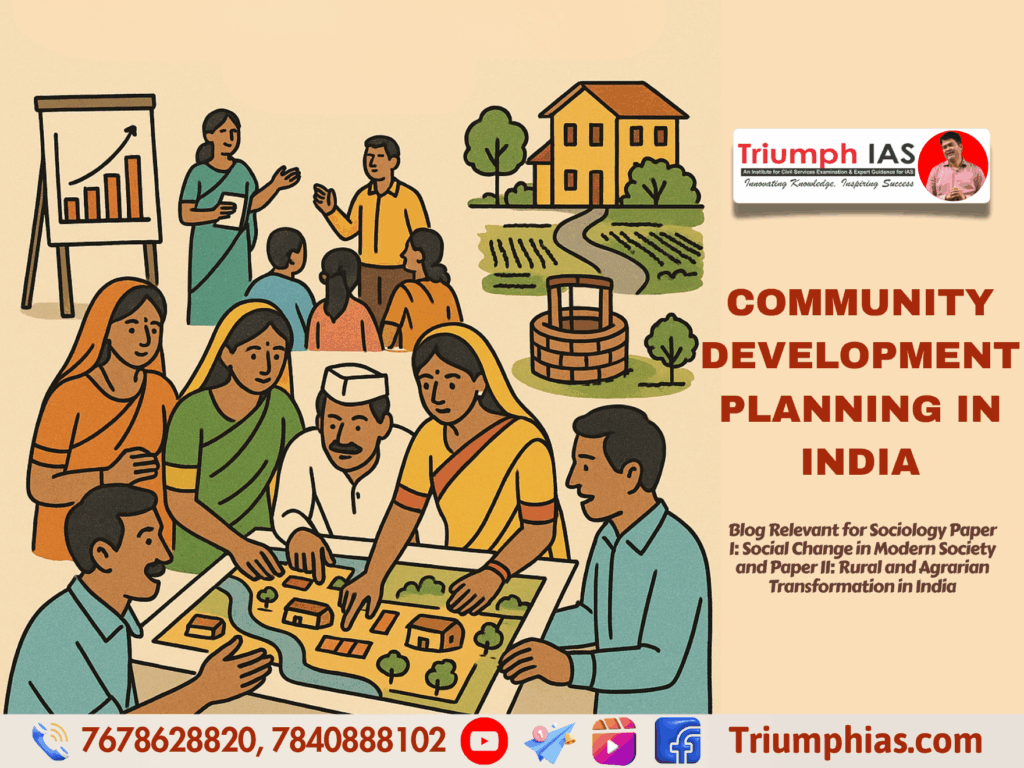
Social Cohesion and Community Identity
One of the key benefits of community development is the strengthening of social bonds. When community members come together to identify problems and work collaboratively on solutions, they build a sense of belonging and shared identity. This social cohesion fosters a more resilient community capable of navigating challenges. Moreover, a united community ensures that various voices are heard, leading to more inclusive decision-making processes.
Strategies for Effective Community Development
Effective community development hinges on understanding the unique needs, values, and resources of a community. Here are some critical strategies that can be employed:
- Assessment of Needs: Conducting community assessments helps identify strengths, weaknesses, opportunities, and threats (SWOT analysis). Surveys, interviews, and focus groups can be utilized to gather relevant data.
- Capacity Building: Providing training and educational workshops equips community members with the necessary skills to lead initiatives, manage projects, and advocate for their needs.
- Participatory Approach: Engaging community members in the decision-making process ensures that plans reflect the needs and aspirations of the local population. This approach fosters ownership and enhances accountability.
- Collaboration and Partnerships: Working with local governments, non-profit organizations, and private enterprises can enhance resources and expertise, amplifying the impact of community development efforts.
Case Studies: Successful Community Development Initiatives
Analyzing successful community development projects provides valuable insights into effective practices:
Food Security Programs
In regions facing food insecurity, community gardens and local farming initiatives have demonstrated incredible success. By empowering residents to produce their own food, these projects not only address hunger but also encourage sustainable agricultural practices and enhance community interaction.
Education and Youth Empowerment
After-school programs focusing on skill development and mentorship have proven beneficial in low-income neighborhoods. By providing access to education and extracurricular activities, these programs foster personal development and community pride among youth, ultimately reducing crime rates and promoting a more engaged citizenry.
The Role of Technology in Community Development
In the modern world, technology has become a vital tool in community development. Digital platforms enable more efficient communication and information sharing, empowering communities to advocate for their interests effectively. Additionally, technology facilitates access to education and resources, bridging gaps that may exist in remote or underserved areas.
Leveraging Social Media
Social media serves as a powerful platform for raising awareness and mobilizing support for community initiatives. It allows local leaders to share success stories, organize events, and connect with broader networks to attract resources and support. By utilizing these platforms, communities can amplify their voices and inspire action.
Challenges in Community Development
Despite its numerous benefits, community development is not without challenges. Issues such as funding constraints, lack of awareness, and resistance to change can hinder progress. Building trust within the community, maintaining momentum, and ensuring sustainability of projects are ongoing concerns that require attention.
Overcoming Barriers
To address these challenges, it is crucial to establish strong leadership within the community. Empowered leaders can not only drive initiatives but also serve as role models, inspiring others to become active participants in the development process. Education and outreach efforts can also raise awareness about the importance of community involvement and cultivate a culture of participation.
The Future of Community Development
Looking ahead, the future of community development lies in adaptability and innovation. As societal needs evolve, so too must the strategies employed to address them. Emphasizing sustainability, inclusivity, and resilience will be paramount in developing systems that can withstand the test of time.

Conclusion
In conclusion, community development is an essential vehicle for fostering positive change and promoting sustainable growth. By focusing on the unique needs of each community and leveraging local assets, we can create environments that empower individuals and build vibrant, resilient societies. As we move forward, let us continue to advocate for community-driven solutions that uplift and inspire.