


 มูลนิธินวธรรม ชั้น 25-27 อาคารสาธรนคร















The House Edge: How Odds Are Engineered
Master the Tables: Your Ultimate Guide to Smart Casino Gambling
Casino gambling is the act of wagering money or valuables on games of chance, offering a structured escape from daily routines. When approached responsibly, it can provide an engaging thrill and the potential for financial reward through games like slots or blackjack. The key to unlocking its value lies in setting personal limits to ensure the experience remains a source of entertainment rather than stress.
The House Edge: How Odds Are Engineered
The house edge is the mathematical advantage engineered into every game, ensuring the casino profits over time regardless of short-term player wins. In roulette, the green zero (or double zero in American roulette) skews true odds, creating a ~5.26% edge. Blackjack’s edge, typically around 0.5% with perfect basic strategy, comes from the dealer acting last and the player busting first. Slot machines achieve their edge via a pseudo-random number generator and programmed payback percentages—often 85–98%—that dictate long-term return, not session outcomes. Craps’ edge varies per bet: the Pass Line carries ~1.41%, while proposition bets can exceed 16%. Understanding this engineered imbalance lets you choose games and bets minimizing the casino’s built-in advantage.
Probability vs. Perception in Table Games
In table games, the engineered house edge is often obscured by the gap between statistical probability and player perception. For instance, in roulette, the true odds of hitting a single number are 37:1, but a win’s payout of 35:1 creates a perceived near-even return, masking the 2.7% edge. Similarly, blackjack players perceive a dealer bust as likely, yet probability shows it occurs only about 28% of the time. Gambler’s fallacy further distorts reality: after several reds, players bet on black, despite independent spins. In craps, the perceived “hot shooter” streak has no bearing on the 1.41% house edge on pass-line bets. This cognitive disconnect allows the casino to maintain its long-term advantage.
- True probability of outcomes is fixed
- Player perception is swayed by short-term streaks or near-misses
- The engineered edge exploits this perceptual gap for consistent profit
Slot Machine RTP: What the Return Percentage Really Means
Slot machine RTP (Return to Player) is the theoretical percentage of all wagered money a machine will pay back over infinite play, not a guarantee for any single session. A 96% RTP means the house edge is 4%, but short-term volatility can produce massive wins or rapid losses. RTP does not predict your next spin; it’s an aggregate statistic averaged across millions of spins. Choosing a machine with higher RTP only shifts long-term probabilities, not immediate outcomes.
- RTP is calculated over the machine’s entire lifetime, not your session.
- Two machines with identical RTP can have wildly different payout frequencies.
- Always check the game’s paytable or info screen for listed RTP values.
- Higher RTP reduces the house edge but does not eliminate it.
Why the Martingale System Fails Over Time
The Martingale System fails over time because it ignores the fundamental reality of table limits and finite bankrolls. Doubling bets after every loss seems logical, but a single losing streak quickly escalates wagers to astronomical levels. For example, seven consecutive losses on a $10 starting bet require a $1,270 wager. When you hit the table maximum or run out of funds, the entire loss is realized in one crushing blow. The sequence of failure unfolds as follows:
- A losing streak forces bet sizes to double exponentially.
- The required bet surpasses either the table limit or your bankroll.
- You cannot recover previous losses, cementing a net negative outcome.
The system merely delays inevitable collapse rather than overcoming the negative expectation.
Psychological Pulls That Keep Players Seated
The primary psychological pull that keeps players seated is the near-miss effect, where a slot result just shy of a win triggers the brain’s reward circuitry almost as powerfully as an actual payout. This engineered illusion of “almost winning” releases dopamine, compelling players to spin again to close the gap.
Losses disguised as near-wins exploit the human bias that persistence will eventually flip the outcome, making it harder to walk away.
Similarly, the variable-ratio reinforcement schedule—unpredictable, intermittent wins—creates a compulsive loop, as the uncertainty of when the next hit will land keeps attention locked. The physical design of chairs and button layouts further reduces friction, while the absence of clocks or windows erases temporal awareness, trapping players in a cycle of hope and chasing perceived opportunities.

Near Misses and the Illusion of Control
Near misses in casino games, like a slot reel stopping one symbol shy of a jackpot, trigger a false sense of progress. This fuels the illusion of control, where you feel your timing or button presses influenced the outcome. That frustration tricks your brain into thinking a win is “due,” making you play longer. In reality, each spin is random, but this psychological pull keeps you seated, chasing a near win that feels far too close.
Variable Rewards: The Dopamine Loop in Action
Variable rewards exploit the brain’s dopamine system by delivering wins at unpredictable intervals, a core mechanism of the dopamine loop in action. When a slot machine pays out randomly or a roulette ball lands on an unexpected number, the brain releases dopamine, reinforcing the behavior despite most outcomes being losses. This uncertainty creates a powerful compulsion to keep playing, as each spin or hand offers a chance for a reward that may never come. The anticipation itself heightens engagement, making the loop self-sustaining through intermittent reinforcement.
The dopamine loop in action drives persistent play by making unpredictable rewards feel more compelling than predictable ones, trapping players in a cycle of anticipation and occasional payout.
Loss Chasing and Sunk Cost Trap
Loss chasing is the immediate, frantic attempt to win back money just lost, while the sunk cost trap is the broader refusal to abandon a session because of time and money already poured in. Both exploit the brain’s flawed arithmetic, where emotional investment overrides logic. The deeper you sink, the harder it is to walk away, because leaving means admitting those losses are permanent. This cycle keeps you glued to the felt, feeding the illusion that the next spin can undo the past. The sunk cost spiral is the silent anchor that holds players in their seats long after the fun has evaporated.
You don’t stay because you’re winning; you stay because you already lost, and that is exactly what the casino counts on.
Navigating Digital and Physical Venues
You push through the casino’s heavy door, the Navigating Digital and Physical Venues dance beginning instantly. In the physical room, your feet follow the carpet’s maze toward the clatter of chips, but your thumb still taps the phone’s app for a live table.
The key insight is that these two worlds blur—your digital loyalty card pings a comped drink at the blackjack pit, while a physical player’s card unlocks an online bonus.
You check the electronic leaderboard near the bar, then glance down at your mobile, comparing which slot machine in the real room matches the feel of the virtual one you left mid-spin. The line between the velvet rope and the login screen dissolves as you hold a plastic chip in one hand and a digital token in the other.
Online Platforms: Random Number Generators and Live Dealers
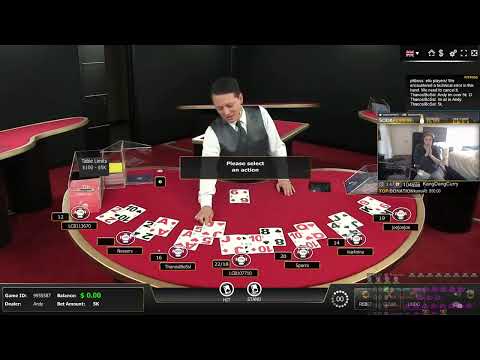
Online platforms bridge the gap between digital convenience and physical authenticity through two core experiences. Random Number Generators ensure every spin or card draw in virtual slots and table games is genuinely unpredictable, relying on complex algorithms that mimic true chance. Alternatively, Live Dealers stream real-time action from a studio, letting you interact with a human croupier while placing digital bets. This blend allows you to choose between fast, solitary play or an immersive, social atmosphere, all while trusting the outcome’s integrity.
Brick-and-Mortar Layout: Lack of Clocks, Free Alcohol, and Maze Design
Casino layout deliberately removes clocks to erase time perception, encouraging longer play. Free alcohol is strategically offered to lower inhibitions and impair judgment, increasing risk-taking. The maze-like flooring and ceiling patterns disorient patrons, making exits hard to find and keeping gamblers inside. This cognitive fatigue from navigation drives players toward repetitive slot machine actions rather than strategic table games. These three elements—missing clocks, complimentary drinks, and labyrinthine paths—work in unison to maximize time-on-device and spending.
Mobile Gambling: Convenience vs. Risk of Compulsive Play
Mobile gambling makes wagering frictionless, letting you spin slots or place bets from a couch or a commute. This constant accessibility erases the deliberate journey to a physical casino, replacing the ritual with a tap. Yet that convenience is a double-edged sword, as the line between a quick game and hours of play blurs dangerously. Without a natural endpoint, the risk of compulsive gambling behavior spikes sharply, since your entire bankroll is always just a notification away. A session meant to last five minutes can easily spiral into a costly binge, a trap far less common when you must physically leave a venue.
Strategic Approaches to Bankroll Management
Bankroll management is the single most critical skill for sustained play, as it prevents a single session from erasing your entire gambling fund. Divide your total gambling capital into smaller, session-specific units—never risking more than 5% of your bankroll per session. Set strict win and loss limits before you start, and walk away immediately when either is hit; this protects profits and curbs chasing behavior. Strategic staking plans, like flat betting or the percentage method, allow you to survive variance and capitalize on favorable streaks without overextending. Treat your bankroll as a business expense: monthly deposits should be fixed, not emotional reactions to wins or losses. Never borrow from other funds or tap into living expenses—discipline here dictates your longevity at the tables.
Setting Loss Limits and Session Caps
Setting a predetermined loss limit before any session is your financial anchor; stop playing immediately upon reaching it to prevent devastating, emotional decisions. Pair this with a strict session cap—a fixed time limit—to enforce discipline and avoid the gambler’s fallacy that a losing streak must end. For example, a session cap of two hours forces breaks, preserving your bankroll for future play. Pre-committing to hard stop losses transforms bankroll management from theory into actionable control.
Q: How do I determine a reasonable loss limit for a single session?
Calculate it as a percentage of your total bankroll (e.g., 5–10%), ensuring you can absorb the loss without affecting your financial stability. Then, walk away the moment that limit is hit.
Bet Sizing Based on Overall Budget
Effective bankroll management demands that every individual wager be a calculated fraction of your total gambling funds. Treat your entire budget as a single unit; your bet size should never exceed 1-5% of that total, depending on your risk tolerance. This percentage-based betting strategy ensures you survive losing streaks without depleting your bankroll, preserving capital for when variance swings in your favor. By scaling your wagers proportionally to your overall budget, you transform gambling from a speculative gamble into a disciplined, long-term campaign where math, not emotion, dictates your moves.
Bet sizing based on overall budget means using a fixed percentage of your total funds for each wager, protecting you from ruin during losses and maximizing growth during wins.
Choosing Games with Lower House Advantages
In strategic bankroll management, choosing games with lower house advantages directly curbs long-term erosion of your funds. Prioritize baccarat’s banker bet (1.06% edge) over slots (often 7–15%), and blackjack with basic strategy (0.5% edge) against American roulette (5.26%). The selection sequence follows:
- Identify games with published rules—craps pass line (1.41%) or video poker with full paytables (0.46%).
- Calculate the exact house edge using known formulas for your variant.
- Commit to only those games where the edge falls below 2%.
This mathematical discipline ensures each bet carries minimal statistical drag, preserving your bankroll for extended play.
Legal and Regulatory Frameworks Across Jurisdictions
When the blackjack dealer’s gaze lingered too long on my chips, I remembered that in Macau, the house can ban you for counting cards, while in Las Vegas, it’s merely frowned upon. Legal frameworks define what is considered “cheating” differently; in Singapore, even whispering about a strategy with a friend can get you trespassed. Across European jurisdictions, consumer protections vary wildly—a player in Malta can dispute a slot machine error, but in the Philippines, you might forfeit your winnings without recourse. The same spin of the roulette wheel can be a legal crime in one city and a tax-free windfall in another, depending solely on the licensing board that issued the table’s chips. This patchwork means your rights fade the moment you cross a border, not just a casino floor.
State-by-State Differences in the United States
Traveling gamblers quickly learn that state-by-state differences dictate everything from allowable games casinous online casino to casino dress codes. In Nevada, you’ll find live poker rooms and sportsbooks at every corner, while Utah and Hawaii ban all gambling outright. Mississippi allows dockside casinos but not land-based ones, forcing a unique riverboat culture. Meanwhile, Colorado restricts bet sizes and machine types in its mountain gaming towns, a stark contrast to the high-limit tables of Atlantic City or the tribal compacts defining Oklahoma’s sprawling casinos.
Offshore Casinos: Licensing, Safety, and Red Flags
When engaging with offshore casinos, verifying the legitimacy of their gambling license oversight is your primary safety measure. Reputable jurisdictions like Malta or Curacao maintain registries, but unregulated operators pose significant risks. Red flags include unclear terms for withdrawal limits, absence of third-party audit seals (e.g., eCOGRA), and aggressive bonus offers demanding unrealistic playthrough. Always check if the license number matches a valid, current record on the issuer’s official site.
- Refusal to display a clear license number or regulator name.
- No independent audit certification for game fairness (RNG testing).
- Vague or hidden language about fund seizure for account inactivity.
- Community reports of delayed or non-existent payouts tied to that specific license.
Self-Exclusion Programs and Player Protection Laws
Self-exclusion programs allow gamblers to voluntarily ban themselves from casinos, both physical and online, for a set period, typically ranging from one year to a lifetime. Player protection laws enforce these registries, mandating that operators remove the individual from mailing lists, credit offers, and promotional databases. Breaching the ban can result in forfeiture of winnings, as the contract between player and casino is voided. These laws also require casinos to provide clear, accessible enrollment options at the point of entry or within the user interface, ensuring the process is immediate and legally binding.
Self-exclusion programs and player protection laws create a compulsory, enforceable barrier between the gambler and the casino, with legal consequences for violations by either party.

Common Myths and Misconceptions Debunked
Many gamblers believe a slot machine is “due” for a win after a long losing streak, but that’s a myth—each spin is independent with random outcomes, so past results don’t affect future ones. Another common misconception is that dealers can influence the cards to help or hurt you, when in reality, they follow strict procedures and have no control over the shuffle. Q: Does counting cards work in blackjack? A: It’s possible but requires intense skill and is largely ineffective in modern casinos with continuous shuffle machines. Also, don’t fall for the idea that betting more on a “hot” streak increases your odds; the house edge stays constant regardless of your wager size.
Hot and Cold Streaks: Gambler’s Fallacy Explained
The gambler’s fallacy drives the belief in hot and cold streaks, where past independent outcomes are falsely assumed to influence future results. In casino gambling, a roulette wheel showing five reds does not make black “due”; each spin retains a fixed 48.6% probability for red or black. Players chasing a “cold” slot machine, expecting a payout after a dry spell, ignore that each spin is statistically independent—the machine’s RNG resetting every play. This logical error leads to chasing losses or doubling bets, degrading bankrolls without altering odds. Recognizing that streaks are random clusters, not signals, prevents misallocation of funds based on non-existent patterns.
Hot and cold streaks are illusions; each spin, hand, or roll is an isolated event with no memory of prior results, making the gambler’s fallacy a costly misinterpretation of randomness in casino play.
Card Counting in the Modern Era
Card counting in the modern era is far from obsolete, but it operates under intense casino surveillance. Modern blackjack games use automatic shufflers and frequent deck penetration cuts that reduce a counter’s advantage. The persistent myth that casinos simply ban counters is misleading; they now employ sophisticated facial recognition and tracking software to identify any player showing a deviation from basic strategy. To survive today, you must master advanced shuffle tracking and disguise your play style beyond simple bet spreads. Casinos rely on the myth that card counting is dead to deter players, but a disciplined approach can still yield a small, mathematical edge.
| Aspect | Classic Card Counting | Modern Card Counting |
|---|---|---|
| Primary Detection | Eye-in-the-sky pit bosses | Facial recognition & AI software |
| Key Countermeasure | Large bet spreads | Shuffle tracking & camouflage |
The Belief That “The Machine Is Due to Pay”
Many players hold the flawed belief that a slot machine is “due” for a win after a long losing streak. This is false because modern slots use a Random Number Generator, making each spin completely independent. The machine has no memory of past results. If it hasn’t paid out recently, your odds of winning on the next spin remain exactly the same. This misconception is known as the gambler’s fallacy, and it can lead to chasing losses. Q: If a machine hasn’t hit in hours, is it more likely to pay soon? A: No. Every spin has the same probability, regardless of previous outcomes.
Responsible Engagement and Risk Awareness

Responsible engagement in casino gambling requires you to treat it as paid entertainment, not a way to make money. Set strict time and monetary limits before you start, and never chase losses by betting more.
A key insight is that while the house always holds a statistical edge, effective risk awareness means accepting that any money spent is a cost for the experience, not an investment with a guaranteed return.
Recognize that emotional states like frustration or excitement impair judgment, so stop playing when feeling impulsive. Avoid borrowing funds or using essential living expenses for play, as this shifts engagement into harmful territory.
Recognizing Early Signs of Problematic Behavior
Recognizing early signs of problematic behavior involves monitoring personal shifts in gambling patterns. Key indicators include chasing losses by increasing bet sizes or playing longer than planned to recover money. Another red flag is lying about time or money spent at casinos, which often signals avoidance of accountability. Emotional changes, such as irritability when unable to gamble or euphoria only during play, also mark risk. A subtle warning is when gambling becomes a primary response to stress or boredom, rather than a casual activity. Behavioral pattern shifts like neglecting work or social obligations for casino visits are critical to notice early.
Recognizing early signs of problematic behavior means tracking loss-chasing, dishonesty about play, emotional dependency on gambling, and routine disruptions as concrete warnings.
Tools for Time and Spending Limits
To maintain control, utilize the casino’s built-in spending and time limits before you start playing. These tools allow you to preset a maximum deposit or loss amount for a session, effectively stopping you from exceeding your budget. You can also set a mandatory timer that locks you out of your account after a defined period. Activate them in your account settings:
- Navigate to the responsible gaming or account limits section.
- Choose a deposit cap or session duration, then confirm the change.
- Adjust limits downward instantly if needed, but remember increases usually require a 24-hour cooling-off period.
These proactive settings are your primary defense against impulsive overspending or lost time, ensuring gambling remains a deliberate choice, not a runaway habit.
Alternative Recreation: Shifting Focus from Wagering
Shifting focus from wagering involves deliberately substituting gambling sessions with intrinsically rewarding activities like strategy-based card games, live music performances, or culinary workshops. Alternative recreation for casino patrons directly reduces financial risk exposure by replacing high-velocity betting with skill-building or social hobbies. This redirection often strengthens impulse control by filling the time formerly spent chasing losses. Q: How does alternative recreation prevent relapse into gambling? A: It establishes non-monetary reward pathways, lessening the psychological pull of slot machines or table games through positive reinforcement of unrelated competencies.
Understanding How House Edge Shapes Your Odds
What the RTP Percentage Really Tells You About a Game
Why Variance Matters More Than You Think for Your Bankroll
Picking the Right Game Type for Your Play Style
Slot Volatility: Low, Medium, and High Explained for Players
